
The Safety Systems Behind Every Safari You Don’t See
Most people picture a safari as a raw, unpredictable adventure in the middle of nowhere. And while the landscapes are genuinely wild, the experience itself is built on layers of professional infrastructure that most visitors never notice because it works so quietly in the background.
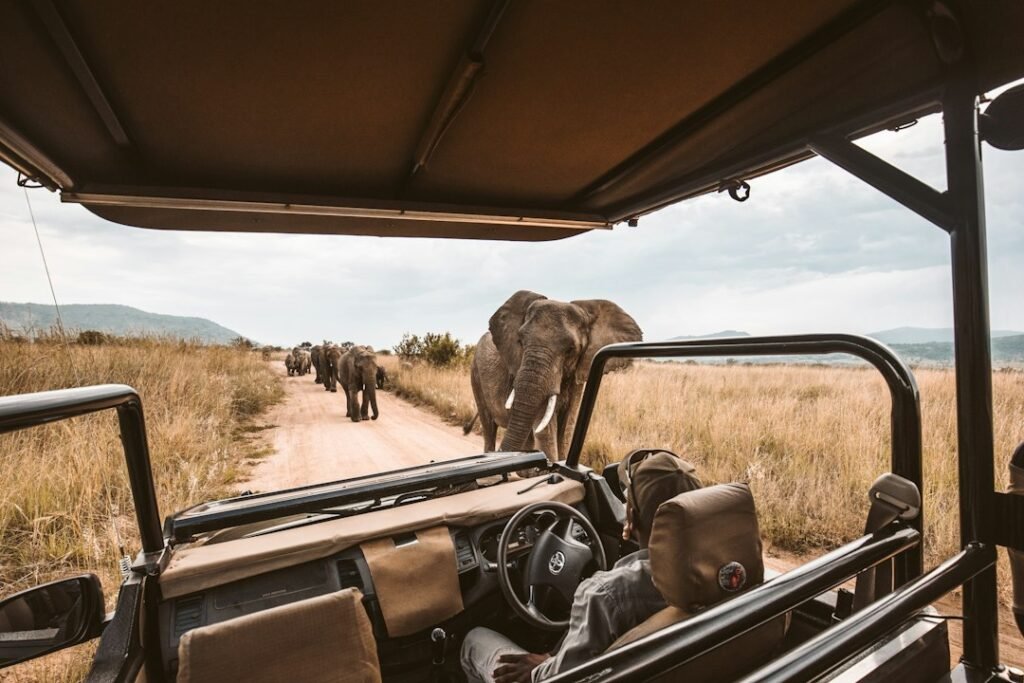
Licensed safari guides are the single biggest reason safaris are as safe as they are. In countries like Kenya and Tanzania, guides must complete years of field training and pass government-regulated certification exams before they can legally lead guests. They know animal behavior intimately. They read body language, track wind direction, and position vehicles with purpose. When a lion stands up and flicks its tail, your guide already knows what that means before anything happens.
Vehicles are another underappreciated factor. Game drive trucks and 4x4s are purpose-built with high clearance and open sides that, counterintuitively, make you safer. Animals in East Africa’s major reserves have grown accustomed to vehicles over generations and treat them as neutral objects. The moment a passenger stands up or steps out, that changes. Reputable operators drill this rule hard, and guides enforce it without exception.
Camp and lodge placement also follows strict logic. Permanent camps sit on elevated ground away from dense bush, often with electrified perimeter fencing. Staff do nightly perimeter checks. Most lodges have a clear protocol for walking between tents after dark, usually with an armed escort. This is not theater. It is a system refined over decades of hosting millions of guests.
Practical Things You Can Do to Stay Safe on Safari
Understanding why safaris are safe is one thing. Knowing your own role in that safety is equally important. The vast majority of incidents that do occur on safari trace back to guests ignoring guide instructions, usually out of excitement or a desire for a better photo.
Here are a few practical habits that experienced safari travelers follow without thinking:
Listen to your guide above everything else. If they say stay in the vehicle, that is not a suggestion. Their read of the situation is based on real experience, not caution for its own sake.
Keep your profile low in the vehicle. Sudden movements and standing silhouettes can trigger a stress response in animals. Stay seated and move slowly when adjusting your camera.
Ask questions before you go. A good operator will brief you thoroughly on arrival. If they don’t, ask anyway. Knowing what to do during a night game drive or a bush walk gives you confidence and keeps your group in sync.
Choose operators with verified track records. This is where research pays off. Look for guides affiliated with national associations and camps with strong, recent reviews. A Masai Mara luxury safari from Nairobi run by an experienced operator, for example, gives you access to professional guides who know that specific ecosystem inside and out. The same applies to longer multi-country itineraries like a Kenya and Tanzania safari tour, where coordination between guides across borders is handled entirely for you.
In 2026, safari travel across East Africa continues to draw hundreds of thousands of visitors annually with a safety record that rivals most adventure travel categories. The wild is real. The risk, when you travel with the right people, is genuinely managed. That combination is exactly what makes a safari so extraordinary.