
Safaris Fund the Protection of Africa’s Most Threatened Wildlife
The connection between safari tourism and wildlife conservation is direct and measurable. A significant portion of the revenue generated by safari lodges, park entry fees, and guided game drives flows back into anti-poaching units, ranger salaries, and habitat restoration programs. Without that steady income, many protected areas across East and Southern Africa would struggle to operate at the level needed to keep poachers out and animals safe.
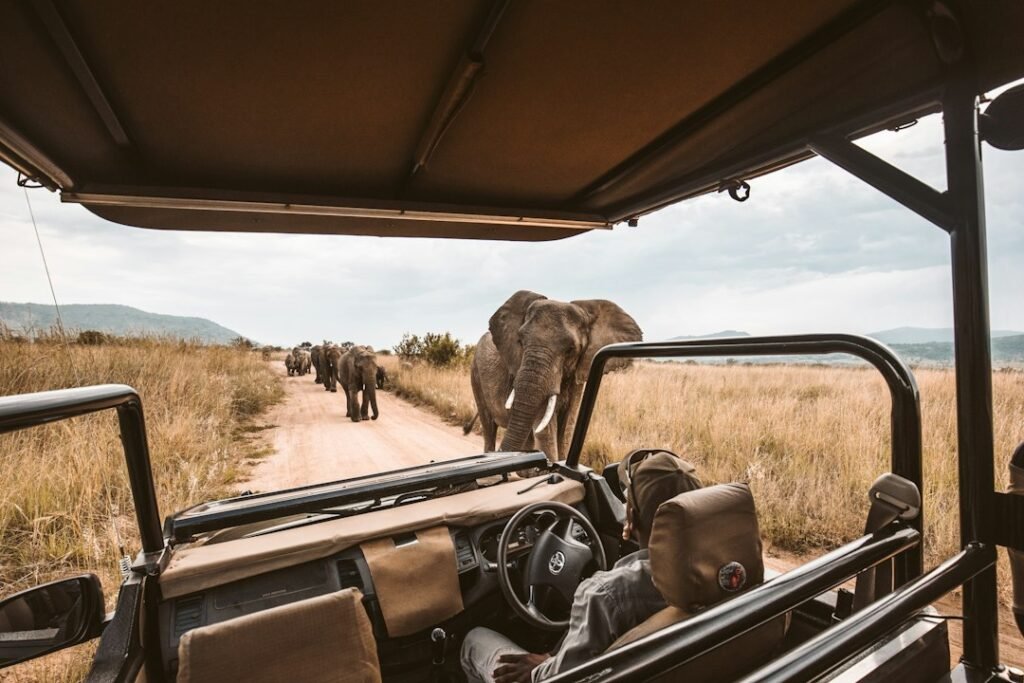
Take Kenya’s Masai Mara as a strong example. The region supports one of the highest concentrations of predators on the planet, and the conservancies surrounding the official reserve exist almost entirely because of tourism dollars. Private conservancies like Olare Motorogi and Mara North charge conservancy fees per guest per night, money that goes directly to landowners who have agreed to keep their land wild rather than converting it to agriculture. That is a tangible, ongoing trade-off that safaris make possible.
In 2026, wildlife populations across Africa still face serious pressure from habitat loss and illegal trade. Safari tourism, when managed responsibly, gives local governments and communities a financial reason to prioritize conservation over short-term land use. If you want to see this model in action, a Masai Mara luxury safari from Nairobi puts you right at the center of one of Africa’s most successful conservation landscapes.
Practical tip: look for operators who are transparent about their conservancy fees and partnerships. Ask directly what percentage of your booking supports on-the-ground conservation. Reputable companies will have a clear answer.
Safari Travel Supports Local Communities and Preserves Cultural Knowledge
Conservation alone does not explain the full importance of safaris. The human side of the equation matters just as much. Safari tourism is one of the most significant sources of formal employment in rural parts of Kenya, Tanzania, Botswana, and Zambia. Guides, trackers, camp staff, mechanics, cooks, and artisans all build livelihoods around the presence of wildlife-focused visitors. When tourism is healthy, those jobs are stable. When it collapses, as the world saw during the travel shutdowns of the early 2020s, communities feel the damage fast.
Beyond employment, safaris create a platform for cultural exchange that few other travel formats can match. A skilled Maasai guide does not just point out a lion; they explain how their community has coexisted with large predators for centuries, which grazing patterns reduce conflict, and how traditional ecological knowledge has been passed down through generations. That kind of knowledge is genuinely rare, and spending time with local guides is one of the best ways to access it.
For travelers who want to see how this plays out across two countries, a Kenya and Tanzania safari tour covering 13 days gives you exposure to multiple ecosystems, different tribal communities, and a broader picture of how conservation and culture intersect across borders.
Practical tip: skip the rushed game drives when possible and spend an evening at a community boma or cultural center. The conversations you have there will stay with you longer than any single wildlife sighting.